
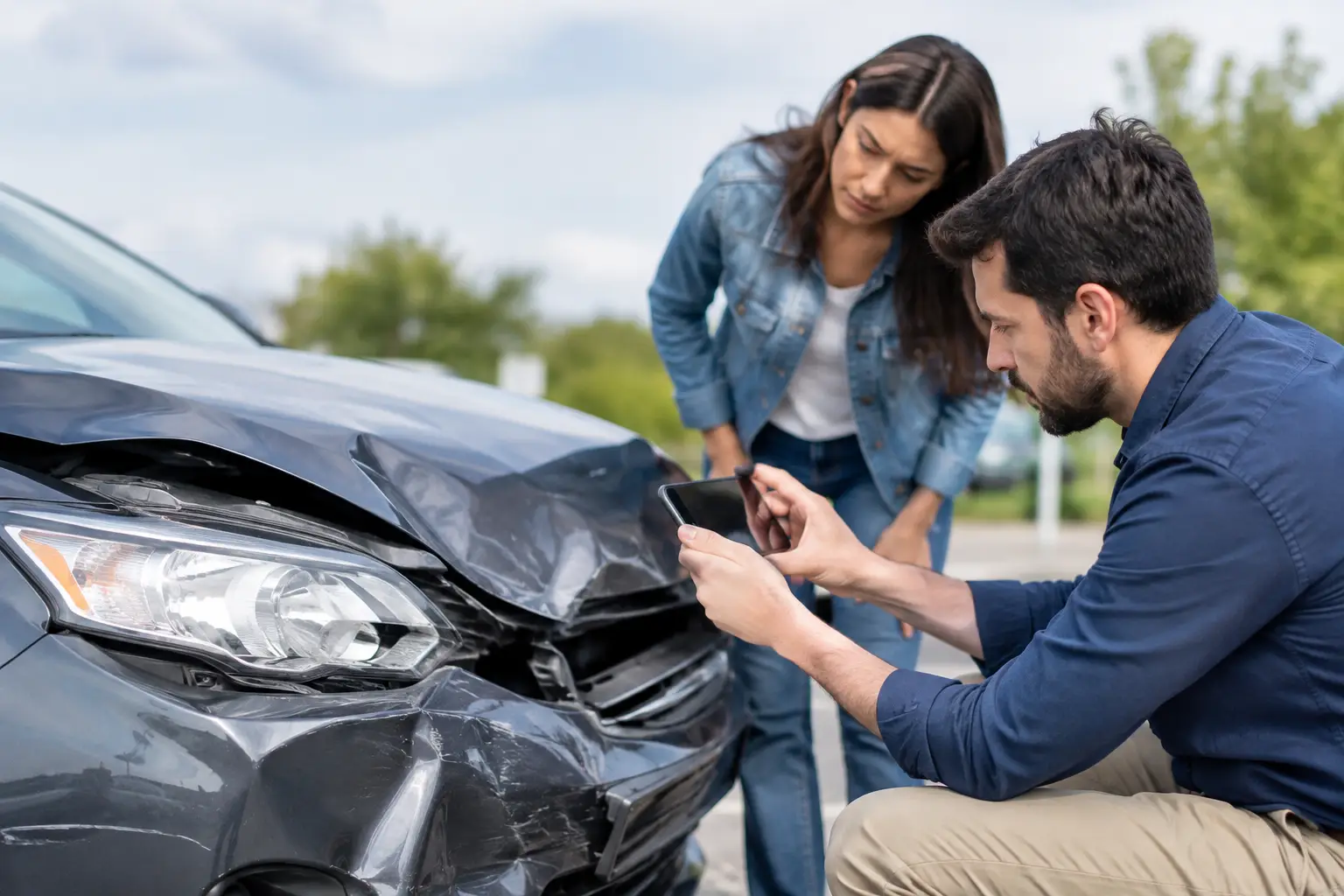
A repair invoice can be perfectly legitimate and still be challenged. After a not-at-fault accident, an insurer may question the scope of work, the labour rate, the parts used or whether damage was caused by the crash at all. The best evidence for repair disputes turns those arguments into questions that can be answered clearly, with records rather than assumptions.
For vehicle owners, repairers and fleet operators, the goal is not to produce a mountain of paperwork. It is to present a logical, well-supported claim that shows what happened, what repairs were necessary and why the amount claimed is reasonable. A strong evidence file also puts you in a better position to negotiate before legal proceedings become necessary.
Why repair claims are disputed
Insurers and at-fault parties commonly accept that an accident occurred but dispute the amount required to rectify the loss. They may allege pre-existing damage, say a repair method was excessive, propose cheaper non-genuine parts, or challenge the repairer’s hourly rate. Sometimes the issue is simply incomplete information supplied at the start of the claim.
That does not mean their position is right. It means the claim needs evidence that connects the collision to the repair work and the cost of returning the vehicle to its pre-accident condition. The appropriate evidence depends on the vehicle, its age, the nature of the impact, manufacturer requirements and the work actually performed.
A late-model vehicle with advanced driver-assistance systems, for example, may require scans, calibration and manufacturer-specified repair procedures that are not obvious from exterior photos alone. A work ute may need evidence of fit-out damage, downtime or specialist equipment repairs. The details matter because they explain the true loss.
Best evidence for repair disputes: start with the accident
The most persuasive repair claim tells a consistent story from the scene of the crash through to the completed repair. Collect and preserve documents as soon as possible, particularly before the vehicle is dismantled or moved between workshops.
Photos and video from the scene
Take wide photos showing the vehicles, positions, number plates and surrounding road conditions where safe to do so. Then take closer images of impact points, damaged panels, wheels, glass, lights and any debris. Time-stamped images are useful, but the quality and context of the image matter more than the timestamp alone.
Photographs are often the first response to an allegation of pre-existing damage. If possible, retain pre-accident photos, recent sale listings, service records or condition reports that show the vehicle before the collision. For commercial vehicles, regular fleet inspections can be particularly valuable.
Details of the other driver and liability records
Keep the other driver’s name, contact details, registration, insurer details if available, and the incident number if police attended. A completed accident report, witness details, dashcam footage and written admissions can all help establish liability.
Repair evidence cannot fix a liability dispute by itself. However, once fault is clear, the focus can remain on recovering the reasonable cost of repairs rather than arguing over who caused the accident.
A detailed repair quote and tax invoice
A short quote with one total figure leaves room for challenge. A detailed quote or invoice should identify the damaged areas, parts, labour hours, paint and materials, sublet work, diagnostic scans, towing, storage and any other necessary charges. It should distinguish between quoted work and work found after dismantling.
If supplementary repairs are required, keep the supplementary estimate and supporting photos. Hidden damage is common. What looks like a minor bumper impact can reveal damaged brackets, sensors, reinforcement bars or structural components once the vehicle is stripped.
Repairer notes, assessments and technical material
A repairer’s notes can be highly persuasive when they explain why a particular method was selected. This may include manufacturer repair procedures, diagnostic reports, wheel-alignment results, calibration records, parts diagrams and evidence that a component could not safely be repaired.
An independent assessor’s report may also assist, especially where the dispute concerns repair methodology or the reasonable cost of work. Independence is helpful, but the report must address the actual issue. A generic assessment that does not consider manufacturer specifications or post-repair requirements may carry limited weight.
Proof that the loss was paid or incurred
Retain the final tax invoice, payment receipt, bank record and any authority to repair. If a repair business is pursuing an unpaid invoice, keep the work order, customer authority, communications about variations and records showing the vehicle was collected or the repairs were accepted.
The amount recoverable can depend on the circumstances, so it is sensible to obtain advice before accepting a reduced offer or writing off part of an invoice. A quick settlement can be attractive, but it may leave the claimant or repairer out of pocket for legitimate work.
Build the evidence file before positions harden
A dispute is easier to resolve when the other side receives organised material early. Keep emails, SMS messages, call notes and insurer correspondence in date order. Record who said what, when they said it and any request for further information.
Where an insurer challenges a specific item, answer that item directly. If they dispute a sensor calibration, provide the scan and calibration record. If they query labour hours, provide the repair plan, technician notes and any relevant technical procedure. Sending the same invoice again without addressing the stated objection can delay recovery.
It is also worth preserving the damaged parts where practical and safe, particularly if they are likely to be contentious. Do not dispose of parts or authorise irreversible work without first considering whether inspection may be required. That said, a vehicle should not sit unrepaired indefinitely just because an insurer is slow to respond. The reasonable approach depends on the facts, including safety, storage costs and the need to keep a business vehicle on the road.
When the dispute is about labour rates or parts
An insurer may argue that the repairer’s hourly rate is above its preferred rate. A preferred rate is not automatically the reasonable rate for every workshop, vehicle or repair. The relevant question is usually whether the charge is reasonable in the circumstances.
Evidence can include the workshop’s published rates, comparable local repairer rates, the technician skill required, equipment costs, manufacturer accreditation, the complexity of the work and the vehicle’s make and model. For specialist or prestige vehicles, a cheaper workshop may not be an equivalent option.
Parts disputes require the same practical analysis. Genuine, recycled and aftermarket parts may each be appropriate in different cases. The strongest position is one supported by availability, safety, warranty considerations, manufacturer requirements and the condition needed to restore the vehicle fairly. A claimant should not be forced to accept a repair outcome that diminishes the vehicle simply because it is cheaper.
Avoid evidence gaps that weaken a valid claim
The most common problem is not poor repair work. It is a missing link between the accident and the invoice. Vague descriptions, incomplete photos, undocumented additional work and long delays in providing material can all create opportunities for a dispute.
Repairers should ensure authorities, estimates, supplements and invoices match the vehicle and claim details. Vehicle owners should avoid agreeing to repair arrangements or settlement figures they do not understand. If an insurer appoints an assessor, ask for clarity about what has been approved, what remains disputed and the reason for any reduction.
A written record is usually better than a recollection of a phone call. Clear, courteous communication also helps. The aim is to demonstrate that the claim is reasonable and properly documented, not to create unnecessary conflict.
Put the evidence to work
Good evidence supports negotiation, but it must be presented with a clear recovery position. Set out the accident circumstances, liability basis, loss claimed and documents supporting each amount. If a reasonable request for payment is rejected or ignored, the next step may involve formal recovery action.
Titan Legal assists not-at-fault vehicle owners, repair businesses and commercial operators to pursue repair losses with a focused, evidence-led approach. We engage directly with insurers and at-fault parties, fight for fair outcomes and keep clients informed throughout the process.
Do not let a disputed invoice become an accepted loss simply because the other side says the repair was too expensive. Preserve the records, obtain the technical support and seek advice early enough to protect your position.
